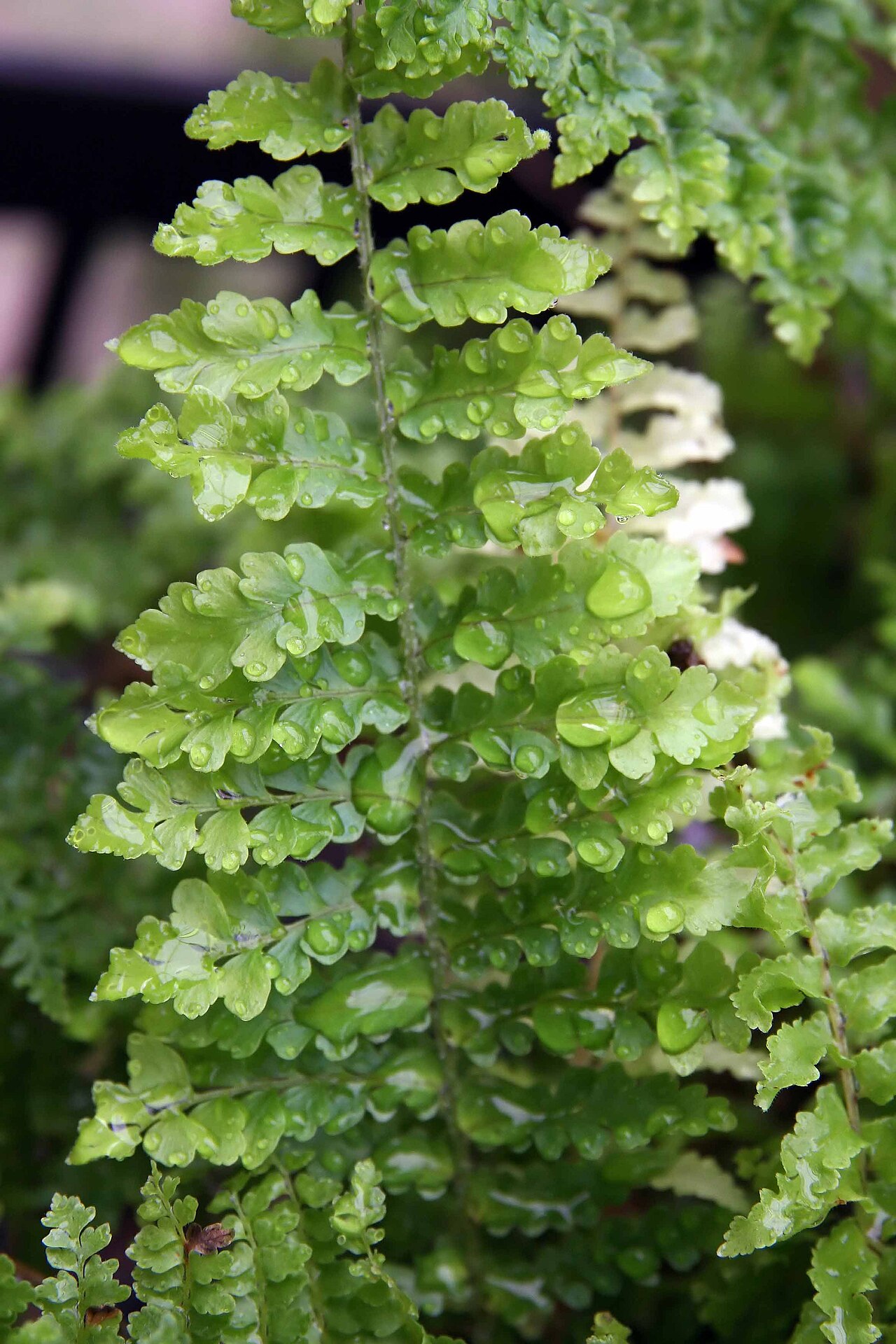
What is a Boston fern?
The Boston fern (Nephrolepis exaltata) is one of the most recognisable houseplants in the world — a graceful, arching fern with long, feathery fronds that can reach three feet across at maturity. It originated in humid tropical forests of the Americas and was introduced as a popular parlour plant in the late 1800s, a reputation it has never lost. It’s dramatic without being demanding, and it is genuinely pet-safe — a rare combination in the world of lush, full houseplants.
Are Boston ferns safe for cats and dogs?
Yes. The ASPCA lists Boston fern as non-toxic to both cats and dogs. It is one of the most recommended pet-safe choices for households that want a big, lush plant without any toxicity risk. Cats may occasionally chew on the fronds out of curiosity, which is harmless — though it may not do the fronds any favours.
How much light does a Boston fern need?
Boston ferns prefer bright, indirect light — the kind you find near a north- or east-facing window, or a few feet back from a bright south-facing window with a sheer curtain. Direct sun scorches and bleaches the fronds quickly. Too little light leads to sparse, pale growth and increases the risk of frond drop.
How often should you water a Boston fern?
Unlike succulents, Boston ferns like the soil to stay consistently moist — never soaking wet, never bone dry. Watering every 5–7 days during the growing season is a good baseline, but always check the top inch of soil first. In cooler winter months you can let the surface dry slightly between waterings, but do not let the root ball dry out completely.
Why does my Boston fern have brown tips?
Brown, crispy frond tips are the classic Boston fern distress signal, and the cause is almost always low humidity. These ferns evolved in steamy tropical forests and genuinely struggle in the dry air typical of heated or air-conditioned homes. Solutions that work:
- Place the pot on a pebble tray filled with water (keep the pot bottom above the water line).
- Mist the fronds regularly with room-temperature water.
- Run a humidifier in the same room.
- Group it with other plants to create a pocket of higher ambient humidity.
How do you care for a Boston fern in winter?
Winter is the hardest season for Boston ferns indoors. Heating systems dry the air considerably, and light levels drop. Keep it away from heating vents and cold drafts, reduce watering slightly (but never let it dry out), and increase humidity by any means available. A cool, bright room around 60–65°F (15–18°C) is ideal. If frond drop happens, don’t panic — cut back any dead fronds, keep humidity up, and it often rebounds in spring.