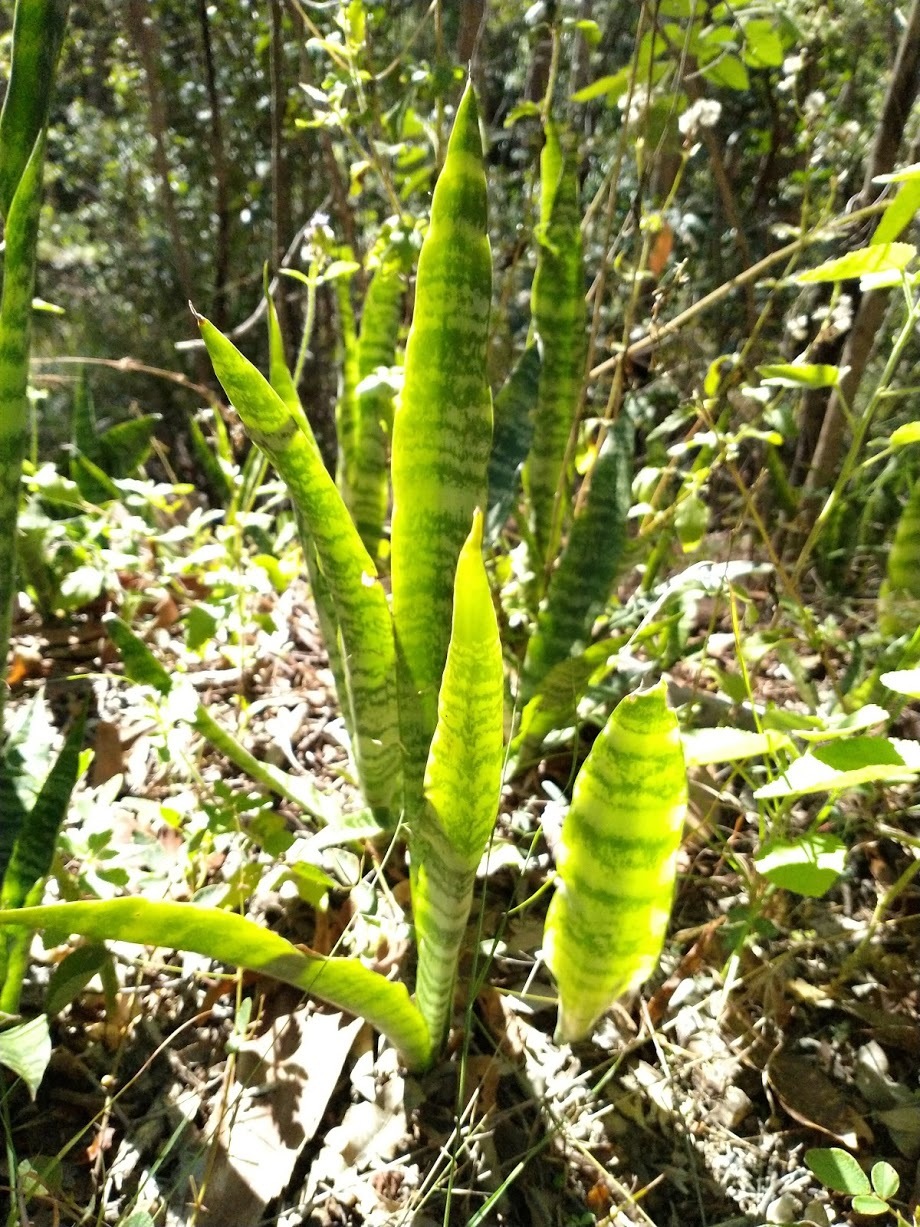
What is a snake plant?
The snake plant (Dracaena trifasciata, long sold as Sansevieria trifasciata) is a stiff-leaved, architectural houseplant native to West Africa. Its upright, sword-like leaves store water like a succulent, which is exactly why it shrugs off the neglect that kills fussier plants. It’s the plant we hand to anyone who says “I kill everything.”
How much light does a snake plant need?
Snake plants are famously adaptable. They survive in low light — a north-facing room or a spot several feet from a window — but they grow fastest and stay most colorful in bright, indirect light. An east- or west-facing window is ideal. Avoid long stretches of harsh, direct midday sun through glass, which can scorch the leaves.
How often should you water a snake plant?
This is where most people go wrong. Water only every 2–3 weeks, and let the soil dry out completely between waterings. In winter, stretch that to once a month. The single fastest way to kill a snake plant is to keep its soil wet — when in doubt, wait.
Temperature, humidity & soil
Snake plants are comfortable in normal room conditions: 60–85°F (15–29°C) and ordinary household humidity. They want a fast-draining mix — a cactus/succulent soil, or regular potting mix cut with perlite — in a pot with a drainage hole.
Common problems
Yellowing leaves almost always mean overwatering; crispy brown tips usually mean the opposite, or sensitivity to tap-water minerals. A mushy base is root rot and needs fast action. Use the symptom checker above to match what you’re seeing to a likely fix.
Is a snake plant toxic to pets?
Yes — the ASPCA lists snake plant as toxic to cats and dogs. The saponins in the leaves can cause nausea, vomiting, and drooling if a pet chews on them. Keep it out of reach of determined nibblers.