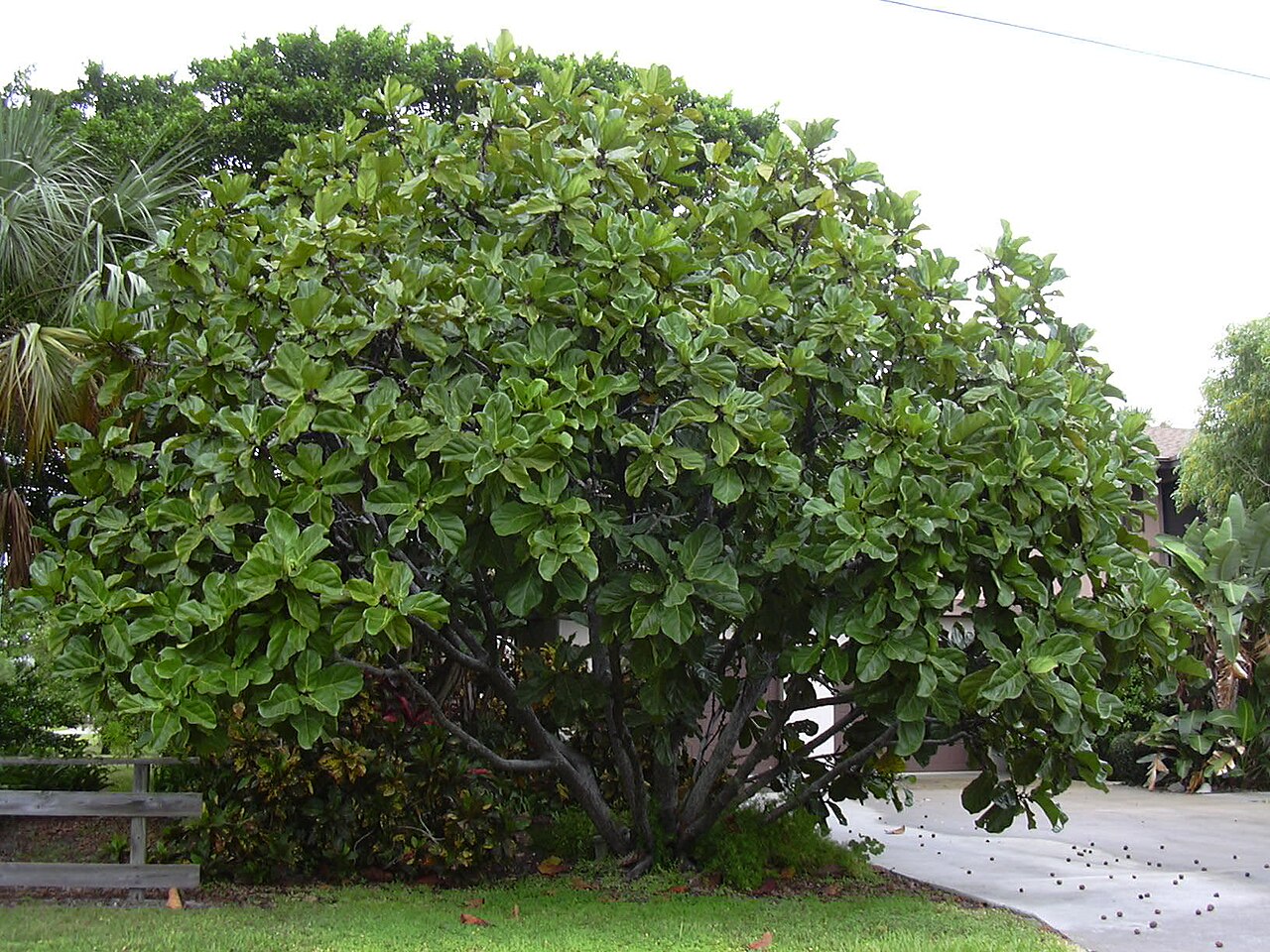
What is a fiddle leaf fig?
The fiddle leaf fig (Ficus lyrata) is the statement tree of modern interiors — tall, sculptural, with huge glossy leaves shaped like a violin (fiddle). It’s stunning in a bright corner, but it has a reputation as a diva: it’s fussier about light and consistency than almost any other popular houseplant.
How much light does a fiddle leaf fig need?
Lots of bright, indirect light — ideally right beside a bright window. Too little light is the number-one reason fiddle leaf figs decline indoors. Once you find a good spot, leave it there: this plant hates being moved.
Why is my fiddle leaf fig dropping leaves?
Because something changed. Fiddle leaf figs sulk after being moved, exposed to a draft, or given inconsistent water or light. The cure is stability — one bright, draft-free spot and a steady watering routine. Sudden leaf drop almost always traces back to a recent change.
How often should you water a fiddle leaf fig?
About weekly — water thoroughly when the top inch of soil is dry, until it drains from the bottom, then let it dry down again. Both overwatering (dark brown spots, dropping leaves) and underwatering (crispy brown edges) leave marks, so a consistent rhythm is everything.
Is a fiddle leaf fig toxic to pets?
Yes — as a Ficus, the ASPCA lists it as toxic to cats and dogs. The milky sap contains the proteolytic enzyme ficin and the irritant ficusin (psoralen), which can cause mouth and skin irritation and vomiting if chewed.